Most foreclosure cleanouts on a typical 1,500 to 2,500 square foot REO run $1,500 to $10,000, with the average landing between $3,000 and $5,500 once you bundle labor, hauling, and disposal fees together. Investors who walk in expecting the low end almost always walk out with a quote at the high end. What's behind the front door rarely matches what was visible in the auction listing.
If you're newer to distressed-property buying, Wikipedia's overview of foreclosure covers the legal mechanics around judicial vs. non-judicial proceedings, deed in lieu, and REO conveyance. The page you're reading is for the buyer side. We wrote it for investors, fix-and-flippers, property preservation contractors, asset managers, and small landlords who need a budget number before signing a contract or picking up a phone.
Across the cleanouts our Jiffy Junk team has handled for REO buyers and small servicers, the smartest way to manage estate foreclosure cleanouts pricing is to identify the full scope before the quote is finalized. A thorough walk-through helps uncover hidden debris, attic storage, locked closets, and possible floor damage early, giving families and property professionals a clearer, more accurate budget. Budget worst case at the offer stage, then walk the property yourself before you accept any quote, opening every door, popping every attic hatch, keying every locked closet, and pulling up corner rugs that look like they're hiding floor damage. Dial the quote back once you've seen what's actually inside.
TL;DR Quick Answers
estate foreclosure cleanouts pricing
Estate foreclosure cleanouts price in three ways: per cubic yard ($40 to $100, with HUD's allowables matrix capping reimbursement at $50/CY on FHA-conveyed work), per square foot ($1.50 to $5.50, with most mid-size three-bedroom REOs landing at $2.00 to $3.50), or flat-bid project pricing ($5,000 to $25,000+ for hoarder, biohazard, or HUD M&M scope past 10 cubic yards).
A typical 1,500 to 2,500 sq ft bank-owned home runs $1,500 to $10,000, with the average landing between $3,000 and $5,500 once labor, hauling, and disposal fees bundle together.
What moves the price more than square footage:
Debris volume and density (5x to 10x cost variance for the same footprint)
Biohazards like rodent infestation, mold, sharps, or sewage backup, which add $1,000 to $5,000+ on top of base
Turnaround pressure (24 to 48 hour rush jobs add 20% to 35%)
Geography (coastal-metro tipping fees run materially higher than rural and inland markets)
Surcharge items: refrigerators ($50 to $150 each), mattresses ($30 to $75), tires ($10 to $35), pianos ($150 to $500+)
In our experience running REO cleanouts, in-person walk-throughs beat phone quotes by 20% to 30%. Always price the worst case at the offer, then dial the quote back at the walk-through.
Top Takeaways
• Foreclosure cleanout cost for a 1,500 to 2,500 sq ft REO typically runs $1,500 to $10,000, with most jobs landing between $3,000 and $5,500.
• Three pricing models compete: per-cubic-yard for trash-out, per-square-foot for whole-house scope, flat-bid for hoarder or biohazard conditions.
• Volume, biohazards, and turnaround pressure each move the number more than square footage does.
• HUD caps debris removal at $50 per cubic yard and total preservation expense at $5,000 per FHA-conveyed property.
• Refrigerators, mattresses, tires, and pianos almost always carry surcharges separate from the base bid.
• Three quotes minimum for one-off jobs. A per-square-foot retainer with one preferred contractor for portfolio investors.
• Cleanout is the rehab line most often under-budgeted on REO. Default high at offer, then dial down at walk-through.
What a Foreclosure Cleanout Actually Costs
REO pricing is messier than a standard residential cleanout. Three pricing models compete for the same scope, and the right one depends on what you actually need done. Get this wrong and you'll either overpay by 20% or watch your contractor walk off mid-haul when the dump tickets run out.
Three pricing models contractors use
Per cubic yard or per truckload pricing dominates trash-out scope, where the goal is to clear what's left behind and stop there. Most contractors price between $40 and $100 per cubic yard with dump fees baked in, and HUD's allowables matrix caps reimbursement at $50 per cubic yard for FHA-insured conveyed properties. A standard 16-yard rolloff fills and hauls for around $400 to $800 on most REO jobs.
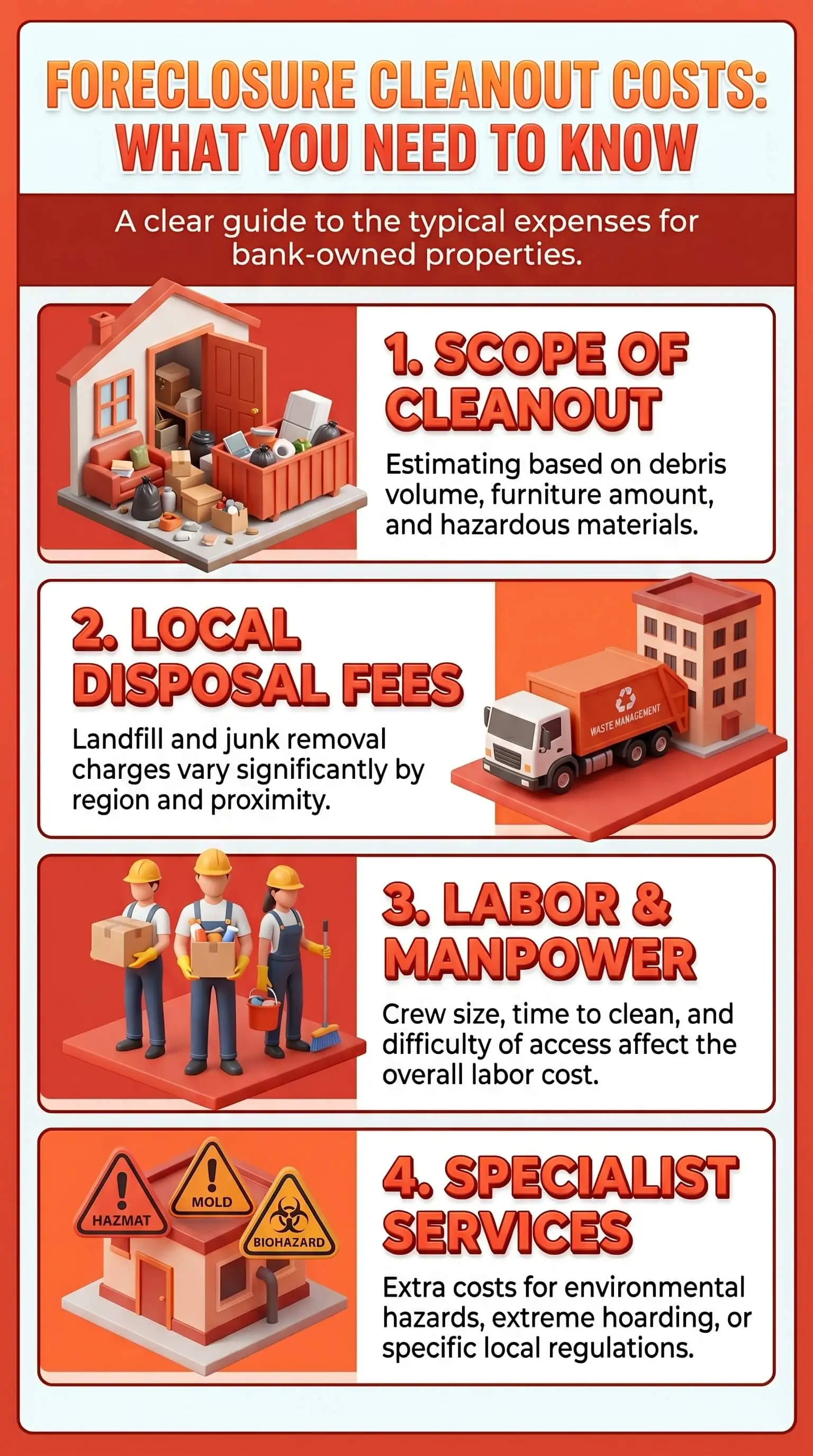
Per square foot pricing fits whole-house cleanouts that include light cleaning. Our published whole-house cleanout cost-per-square-foot benchmark at Jiffy Junk sits between roughly $1.50 and $5.50 per sq ft, with mid-size three-bedroom homes (1,500 to 2,000 sq ft) most commonly landing around $2.00 to $3.50 per sq ft when contents are moderate. Density matters more than footprint here. A packed 1,500 sq ft house often costs more than a half-empty 3,000 sq ft house, because volume and accessibility drive labor more than square footage does.
Flat-bid project pricing takes over once biohazards, hoarder conditions, or HUD M&M scope push the job past 10 cubic yards or $5,000 in line items. Bids run from $5,000 to $25,000 or more depending on what's behind the door.
What's included in a standard cleanout
A typical foreclosure cleanout from a credible contractor covers whole-property debris removal across interior, exterior, garage, and outbuildings. The bid usually includes furniture, mattress, electronics, and appliance haul-away, plus pass-through disposal fees for landfill tipping, e-waste, and refrigerant recovery. Photo documentation for the servicer or insurer is standard. Lock changes, lockbox installation, and yard cleanout are typically quoted as separate line items even when they appear on the same invoice. If you want to know what to ask before the contractor walks the property, our prep guide for junk removal services covers it step by step.
Seven variables that move the price more than anything else
After hundreds of REO jobs, our crews see the same seven cost drivers move the number more than anything else.
• Square footage and number of stories. Second-story haul-down adds 15% to 25%.
• Debris volume and density. Light clutter to floor-to-ceiling hoarder conditions can push the cost 5x to 10x higher for the same square footage.
• Biohazard exposure. Rodent infestation, mold, sharps, blood, spoiled refrigerator contents.
• Hazardous materials. Paint, solvents, propane tanks, oil drums, fluorescent tubes.
• Access constraints. Long carry, no driveway, third-floor walk-up, secured building.
• Turnaround pressure. Rush jobs (24 to 48 hours) typically add 20% to 35% on top of the base bid.
• Geography. Coastal-metro tipping fees and labor rates run materially higher than rural and inland markets.
Common surcharges to budget separately
Contractors carve these out of base bids almost universally, so build them into your rehab pro-forma before you sign.
• Refrigerator or freezer with refrigerant. Appliance recovery fee runs $50 to $150 per unit. For more on getting old refrigerators handled cleanly, see our garage refrigerator removal walk-through.
• Mattresses and box springs. Most metros add $30 to $75 per unit because mattresses are increasingly classified as hazardous waste at the transfer station. See our breakdown of safe mattress disposal options for context.
• Tires. Common in REO garages and yards. Surcharge runs $10 to $35 per tire.
• Pianos, hot tubs, large safes, riding mowers. Flat fees from $150 to $500+ per item.
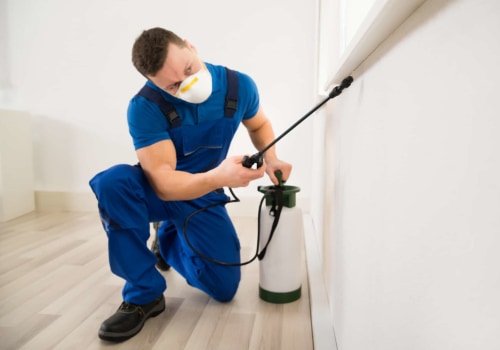
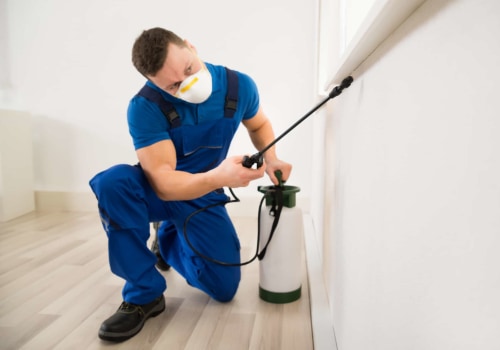
• Biohazard remediation. Death scene, sewage backup, severe pest infestation. A professional pest control service can help identify and treat pest-related risks before the cleanout begins, making the property safer for crews and preventing the problem from spreading during removal. This can add $1,000 to $5,000+ on top of the base cleanout. If you're inheriting a property with a known bed-bug problem, our step-by-step guide to bed bug furniture removal covers what gets handled in-place versus hauled.
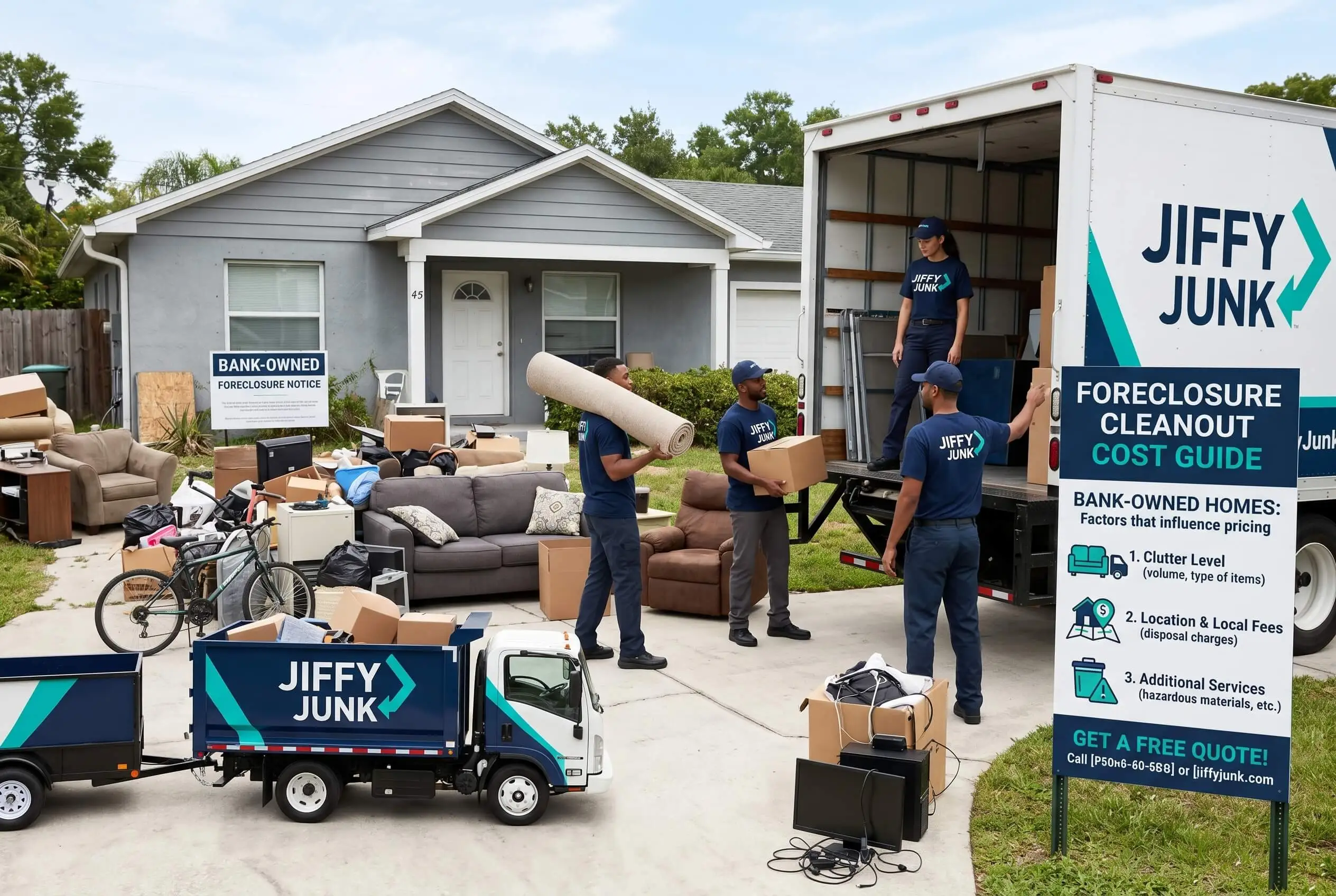
"The REO cleanouts that wreck investor budgets are the ones that look clean at walk-throughs. Bank-owned homes hide debris in attic crawl spaces, behind locked closet doors, in chimneys, underneath built-in cabinetry. Our Jiffy Junk crews almost always need a second pass on REO work even when the first walk-through looks tidy, and that second pass is where most investor budgets break. The fix is simple, and most investors skip it: budget worst-case at the offer stage, then dial back at walk-through after you've opened every door, popped every attic hatch, looked under every staircase, and pulled back any rugs that look like they're hiding floor damage. The cheap phone quote almost never matches the price you'll actually pay."
7 Essential Resources
Before signing a contract or building a rehab pro-forma, work through these seven sources. Each one shapes either your pricing ceiling, your tax treatment, or the legal scope of what a contractor can charge for.
• 1. Wikipedia — Foreclosure overview. Foundational definitions of judicial vs. non-judicial foreclosure, deed in lieu, REO conveyance, and the borrower-side process. Useful if you're newer to distressed-property buying.
• 2. Jiffy Junk — Whole-House Cleanout Cost Per Square Foot. The benchmark per-square-foot pricing analysis built from more than a decade of estate and foreclosure cleanouts since 2014. Use this to sanity-check any contractor quote against the per-sq-ft midpoint for your size band.
• 3. HUD Mortgagee Letter 16-02 — Property Preservation Allowables. The pricing ceiling for FHA-insured conveyed REO. Sets the $50-per-cubic-yard debris removal cap, the $5,000 maximum aggregate property preservation allowance, and the line-item rates for everything from lock replacements to grass cuts. Mandatory reading if you're bidding HUD work or buying HUD-conveyed property.
• 4. Fannie Mae Property Preservation Matrix and Reference Guide. Fannie Mae's servicer-side scope of work, including the 10-cubic-yard combined debris cap before bid-after-the-fact escalation kicks in. Read this for non-FHA conveyed properties.
• 5. ATTOM 2025 Year-End Foreclosure Market Report. The most current national data on filings, starts, and bank repossessions. Tells you where REO supply is concentrated by state and metro. Useful for sizing your local market opportunity.
• 6. IRS Publication 527 — Residential Rental Property. The IRS framework for separating deductible repairs from capitalized improvements. Cleanout costs typically fall on the repair side for already-in-service rental property and on the basis side for property you buy and rehab before placing in service. Read this with a CPA, not in isolation.
• 7. IRS Topic 414 — Rental Income and Expenses. Companion guidance on Schedule E reporting for investor properties.
3 Statistics
These three numbers anchor the rest of the page. Each one is sourced to a primary record so you can verify it yourself.
• 367,460 properties had foreclosure filings in the U.S. in 2025, up 14% from 2024 (roughly 0.26% of all U.S. housing units, a meaningful uptick from the post-pandemic low). Source: ATTOM 2025 Year-End Foreclosure Market Report. For investors, this matters because cleanout-eligible REO supply is rising for the first time in three years.
• $50 per cubic yard is the maximum debris removal allowable HUD pays under Mortgagee Letter 16-02 for FHA-insured conveyed properties, with a $5,000 hard cap on total property preservation expenses per property. Source: HUD Mortgagee Letter 16-02. Treat that $50/CY figure as the industry-standard pricing floor. Anything materially higher needs a reason behind it (special access, hazmat, hoarder conditions).
• $1,500 to $10,000 covers the typical whole-house cleanout cost range, with average homes landing between $3,000 and $5,500. Source: Jiffy Junk — Whole-House Cleanout Cost Per Square Foot, built on more than a decade of cleanout work since 2014.
Final Thoughts and Opinion
Here's our take after running this work for years. If you buy REO at any volume, lock in a per-square-foot framework with one or two preferred contractors and stop re-bidding every property. The pricing certainty saves 8% to 12% versus three-bid procurement on each property, the turn time drops by days because you skip the bidding cycle, and the contractor learns your standards (photo-doc formatting, biohazard handling, lockbox protocols, dump-receipt requirements) so the second pass shrinks. Build cleanout into your rehab pro-forma at $2.50 to $3.50 per square foot as your default, then revise after walk-through.
The counter-argument is fair, and it applies to roughly half the market. One-off investors and wholesalers without portfolio volume should bid every job. Get three quotes minimum. Walk every property in person. Never accept a phone-only estimate on REO work, no matter how tight the auction window looks. The price you save by retaining a single contractor only beats three-bid pricing once you have enough deal flow to keep that contractor scheduled. Without that volume, the discount evaporates.
Understanding estate cleanouts cost early gives investors a stronger, more confident starting point during the offer phase. When this line item is budgeted accurately, it becomes a useful planning tool instead of a surprise expense, helping experienced flippers protect margins, negotiate smarter, and move into rehab with clearer numbers.
Frequently Asked Questions
How much does it cost to clean out a foreclosed home?
Most foreclosure cleanouts cost $1,500 to $10,000, with the average bank-owned home landing between $3,000 and $5,500. Volume of debris, biohazard conditions, and turnaround pressure move the number more than square footage. Always get an in-person walk-through quote. Phone-only estimates run 20% to 30% off on REO work.
Who pays for cleanout, the bank or the buyer?
It depends on conveyance status. On HUD-insured properties going through M&M conveyance and on Fannie Mae or Freddie Mac REO, the servicer pays the contractor inside the allowables matrix. On as-is REO sold at auction or on the MLS, the buyer pays. That cost should already be priced into your offer.
What's included in a standard foreclosure trash-out?
Whole-property debris removal, furniture and appliance haul-away, mattress and electronics disposal, light yard work, and photo documentation. Biohazard remediation, deep cleaning, and lock changes are usually separate line items even when they appear on the same invoice.
How long does a foreclosure cleanout take?
A typical 2,000 sq ft REO clears in one day with a four-person crew. Hoarder properties, severe biohazard cases, or homes with multiple outbuildings stretch to 2 to 5 days. Coordinate dump runs in advance. Running out of dump tickets mid-job adds a full extra day to your turnaround.
Are biohazards or hoarder conditions priced separately?
Yes. Biohazard remediation runs $1,000 to $5,000+ on top of the base cleanout, and hoarder-grade conditions can triple a baseline quote because crew time and disposal volume both balloon. Always disclose anything you saw at the walk-through. Undisclosed biohazards are the number-one reason contractors abandon jobs partway through the haul.
Can I deduct foreclosure cleanout costs as an investor expense?
Generally yes for already-in-service rental property, where cleanout typically falls on the deductible repair side under IRS Publication 527. For properties you buy and rehab before placing in service, cleanout costs usually capitalize into the property's basis and depreciate over 27.5 years. This page is not tax advice. Confirm your situation with a CPA before filing.
How do I get the most accurate foreclosure cleanout quote?
In-person walk-through with the contractor, photos of every room and every outbuilding, full disclosure of any biohazards or hazardous materials, and a locked-in turnaround date. Skip phone-only quotes on REO. They're almost always 20% to 30% under what the actual job will cost.
Do cleanout companies handle utilities, lock changes, or winterization?
Some do, especially contractors who work HUD M&M and large servicer accounts. Others sub it out. Ask up front. Bundling these services with one vendor cuts coordination time and saves you from the second-trip surcharge most contractors charge for separate visits.
Ready for a Walk-Through Quote?
Need a walk-through quote on a bank-owned property you're underwriting or already own? Our team handles REO cleanouts across the country with photo documentation, biohazard handling, refrigerant recovery, and same-week turnaround on most jobs. Request a no-obligation quote and we'll walk the property with you, photograph every room for your servicer or insurer file, deliver a written line-item bid against industry allowables, and lock in the schedule before you close.
Want a clearer picture of cleanout economics before you commit? Read our companion piece on how much cleaning costs after an estate cleanout. It covers the post-trash-out cleaning scope most investors forget to budget for.