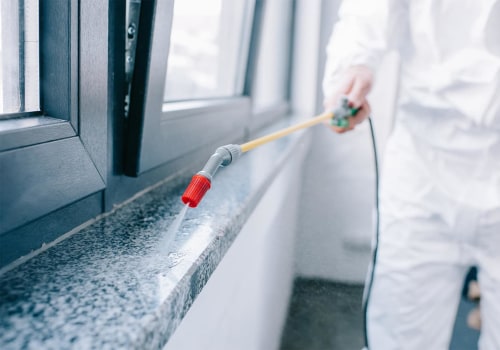
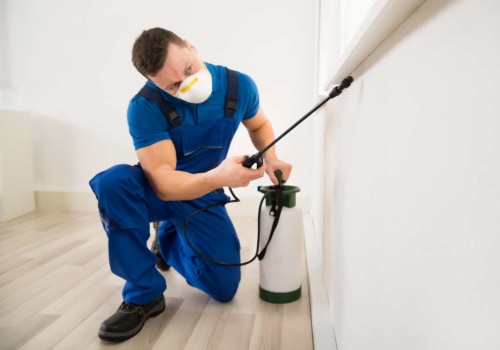
When it comes to maintaining a safe and healthy home, understanding the costs associated with pest control is crucial. Many homeowners often focus solely on the visible expenses, such as the price of treatments or inspections, but there are numerous hidden costs that can significantly impact your budget. This section aims to shed light on both the apparent and less obvious financial implications of pest management, particularly for those searching for pest control near me.The initial cost of hiring a pest control service may seem straightforward, but various factors can influence the final bill. For instance, the type of pest being treated, the severity of the infestation, and even your geographical location can all play a role in determining how much you will ultimately pay.
Additionally, many homeowners overlook the potential long-term costs associated with pest infestations, such as property damage or health risks that can arise from neglecting these issues.Moreover, understanding these costs is not just about budgeting; it’s also about making informed decisions. By recognizing the full scope of what pest control entails, you can better appreciate the value of professional services. This knowledge empowers you to choose a pest control provider wisely and ensures that you are prepared for any unexpected expenses that may arise during treatment. As we delve deeper into this topic, we will explore various aspects of pest control costs, including common hidden fees and preventative measures that can save you money in the long run.
The Average Costs of Pest Control Services
Understanding the average costs of pest control services is essential for homeowners looking to protect their property from unwanted pests.The pricing for pest control can vary significantly based on several factors, including the type of pest, the severity of the infestation, and the geographical location of your home.On average, homeowners can expect to pay between $100 and $300 for a standard pest control service. However, this range can fluctuate based on specific circumstances:
- Type of Pest: Different pests require different treatment methods, which can affect the overall cost. For instance:
- Ants: Treatment typically ranges from $100 to $200.
- Rodents: Expect to pay between $150 and $400, especially if traps or bait stations are needed.
- Termites: This is one of the most expensive treatments, often costing between $500 and $2,500 depending on the extent of the damage and treatment method.
- Cockroaches: A treatment session usually costs around $150 to $300.
Severity of Infestation:
The level of infestation plays a crucial role in determining costs. A minor infestation may only require a single treatment session, while a severe infestation could necessitate multiple visits and more intensive treatments.
For example:
- A light infestation might cost around $100 to $150 for initial treatment.
- A moderate infestation could escalate to $200 to $400.
- A severe infestation may require ongoing treatments that can exceed $1,000.
Geographical Location:
The cost of pest control services can also vary by region. Urban areas often have higher prices due to increased demand and operational costs. Conversely, rural areas might see lower prices but could have fewer service options available. For example:
- In metropolitan areas like New York or Los Angeles, prices may be 20-30% higher than in smaller towns.
- Local regulations and environmental factors can also influence pricing in different states.
By doing so, homeowners can make informed decisions that best suit their needs and budget.
Factors Influencing Pest Control Costs
When considering pest control services, it’s crucial to understand the various factors that can influence the overall cost. By being informed about these elements, homeowners can better anticipate expenses and make educated decisions when selecting a pest control provider.Type of Pest
The type of pest you are dealing with plays a significant role in determining the cost of pest control services. Different pests require different treatment methods, which can vary in complexity and expense. For instance:- Termites: Often considered one of the most destructive pests, termite treatments can be quite costly due to the extensive damage they can cause if left untreated.
Specialized treatments such as bait systems or liquid barriers may be necessary, leading to higher costs.
- Rodents: Dealing with rodents like mice or rats may involve trapping and exclusion methods, which can also add to the overall price. The severity of the infestation will dictate how much effort and resources are needed.
- Insects: Common household insects like ants or cockroaches may require less intensive treatments, making them generally less expensive to manage. However, if an infestation is severe, costs can rise significantly.
Location
Your geographical location can also impact pest control pricing. Factors include:- Urban vs.
Rural:
In urban areas, pest control services may be more competitive, potentially lowering prices. Conversely, rural areas might face higher costs due to fewer service providers and increased travel time for technicians. - Regional Pest Issues: Certain regions may have specific pest problems that require specialized knowledge and treatment methods. For example, areas prone to termites may see higher average costs due to the prevalence of these pests.
Extent of Infestation
The level of infestation is another critical factor affecting costs. A minor issue may only require a single treatment session, while a severe infestation could necessitate multiple visits and ongoing monitoring.Homeowners should be prepared for potential follow-up treatments, which can add to the overall expense.In summary, understanding these factors—type of pest, location, and extent of infestation—can help homeowners navigate the complexities of pest control pricing. By being informed, you can choose a service that fits your needs and budget while effectively addressing any pest issues in your home.
Common Pests and Their Treatment Costs
When it comes to pest control, understanding the specific pests that commonly invade homes and their associated treatment costs is crucial for homeowners. This knowledge not only helps in budgeting for pest control services but also aids in making informed decisions when faced with an infestation.Termites
Termites are notorious for causing extensive damage to wooden structures, making them one of the most concerning pests for homeowners. The average cost of termite treatment can range from $300 to $1,500, depending on the severity of the infestation and the size of the home.For minor infestations, localized treatments may suffice, while severe cases could require tenting and fumigation, which significantly increases costs. Additionally, homeowners should consider potential repair costs for any structural damage caused by termites, which can add thousands to the overall expense.
Rodents
Rodents, including mice and rats, are another common household pest that can lead to health risks and property damage. The cost of rodent control typically falls between $200 and $600. This price range often includes inspection, baiting, trapping, and sealing entry points to prevent future infestations.If a rodent problem is extensive, requiring multiple visits or more advanced techniques like exclusion services, costs can escalate further.
Cockroaches
Cockroaches are resilient pests that can quickly multiply if not addressed promptly. Treatment for a cockroach infestation usually costs between $150 and $400. This cost generally covers an initial inspection and treatment application, with follow-up visits often necessary to ensure complete eradication. Homeowners should also factor in preventative measures such as sealing cracks and maintaining cleanliness to avoid future infestations.Ants
Ant infestations can vary widely in terms of treatment costs based on the species involved and the extent of the problem.On average, homeowners can expect to pay between $100 and $300 for ant control services. Treatments may include baiting systems or sprays, with follow-up visits sometimes required to monitor effectiveness.In summary, being aware of the common pests that may invade your home and their associated treatment costs is essential for effective pest management. By understanding these factors, homeowners can better prepare for potential infestations and make informed choices about pest control services available in their area.
The Importance of Professional Pest Control Services
When it comes to managing pest infestations, the choice between DIY methods and hiring professional pest control services can significantly impact the outcome. While some homeowners may consider tackling pest issues on their own, the benefits of enlisting the help of professionals are numerous and often outweigh the initial costs.Expertise and Experience
One of the primary advantages of hiring a professional pest control service is their expertise.
Trained technicians possess in-depth knowledge about various pests, their behaviors, and effective treatment methods. This expertise allows them to accurately identify the type of infestation and implement targeted strategies that are more effective than general DIY solutions.
Access to Advanced Tools and Techniques
Professional pest control companies utilize advanced tools and techniques that are not typically available to the average homeowner. For instance, they may use specialized equipment for detecting pests hidden within walls or under floors, as well as eco-friendly pesticides that are safe for both humans and pets. This access to superior resources ensures a more thorough and effective treatment process.
Long-Term Solutions
While DIY methods may provide temporary relief, they often fail to address the root cause of infestations.
Professionals not only eliminate existing pests but also identify potential entry points and breeding grounds, implementing preventive measures to reduce the likelihood of future infestations. This proactive approach can save homeowners from recurring problems and additional costs down the line.
Time and Convenience
Managing a pest problem can be time-consuming and stressful. By hiring professionals, homeowners can save valuable time and avoid the hassle of researching pest control methods, purchasing supplies, and executing treatments themselves. Professionals handle all aspects of pest management efficiently, allowing homeowners to focus on other important tasks.
Safety Considerations
Many pest control products contain chemicals that can be hazardous if not handled properly.
Professional pest control services are trained in safe application techniques, minimizing risks to family members and pets. They also follow regulations regarding pesticide use, ensuring compliance with safety standards.In conclusion, while DIY pest control may seem like a cost-effective solution initially, the benefits of hiring professional services far outweigh the potential savings. With their expertise, advanced tools, long-term solutions, convenience, and safety measures, professional pest control services provide invaluable support in maintaining a pest-free home.
Hidden Costs Beyond Treatment Fees
When considering pest control, many homeowners focus primarily on the immediate treatment fees associated with eradicating pests. However, the hidden costs of pest infestations can significantly impact your finances in the long run.Understanding these additional expenses is crucial for making informed decisions about pest management.One of the most significant hidden costs arises from the damage pests can inflict on your property. For instance, termites are notorious for their ability to compromise the structural integrity of homes. If left untreated, a termite infestation can lead to extensive damage that requires costly repairs. Homeowners may find themselves facing expenses related to:
- Structural Repairs: Replacing damaged beams, joists, or flooring can be a substantial financial burden.
- Drywall Replacement: Pests like rodents and termites can cause holes and damage to walls, necessitating repairs that can add up quickly.
- Roof Repairs: Certain pests may also invade attics and roofs, leading to leaks and further structural issues.
For example:
- Decreased Property Value: A home with a history of pest problems may be less attractive to potential buyers, leading to lower offers or difficulty selling.
- Increased Insurance Premiums: Some insurance policies may raise premiums or deny claims related to pest damage if infestations are not addressed promptly.
- Health-Related Costs: Pests such as rodents and cockroaches can carry diseases that may lead to health issues for you and your family, resulting in medical expenses.
By prioritizing timely intervention and professional assistance, homeowners can protect their properties and finances from the long-term consequences of pest damage.
Preventative Measures to Reduce Pest Control Costs
Preventing pest infestations is not only about addressing current issues but also about implementing proactive measures that can significantly reduce the likelihood of future problems. By taking a few simple steps, homeowners can create an environment that is less inviting to pests, ultimately saving on pest control near me services.1.Regular Home Maintenance
- Seal Entry Points: Inspect your home for cracks and gaps around windows, doors, and foundations. Use caulk or weather stripping to seal these openings, as they can serve as entry points for pests.
- Maintain Landscaping: Keep shrubs and trees trimmed away from the house. Overhanging branches can provide easy access for pests, while dense foliage can create a habitat for them.
- Proper Drainage: Ensure that gutters and downspouts are clear of debris and direct water away from the foundation.
Standing water can attract insects like mosquitoes.
2.Smart Food Storage
- Store Food Properly: Keep food in airtight containers to prevent attracting pests. This includes pet food, which should also be stored securely.
- Clean Up Spills Promptly: Wipe down surfaces regularly and clean up any crumbs or spills immediately to eliminate food sources for pests.
- Dispose of Garbage Wisely: Use trash cans with tight-fitting lids and take out the garbage regularly to avoid attracting rodents and insects.
3.Monitor Humidity Levels
- Use Dehumidifiers: High humidity levels can attract pests like termites and cockroaches. Consider using dehumidifiers in damp areas such as basements or bathrooms.
- Fix Leaks: Repair any plumbing leaks promptly to prevent moisture buildup, which can create a breeding ground for pests.
4.Educate Yourself and Your Family
- Recognize Signs of Infestation: Familiarize yourself with the signs of common pests in your area. Early detection can help you address issues before they escalate.
- Involve Family Members: Teach your family about the importance of maintaining a pest-free home and encourage them to participate in preventive measures.
Taking proactive steps not only protects your home but also contributes to a healthier living environment for you and your family.
When to Call a Pest Control Professional?
Recognizing the right moment to call a pest control professional can be crucial in managing pest issues effectively. Ignoring early signs of an infestation can lead to more severe problems, making it essential for homeowners to be vigilant. Here are some key indicators that it may be time to seek help from a pest control service.Signs You Need Pest Control
- Visible Pests: The most obvious sign is the sighting of pests themselves. Whether it's cockroaches scurrying across your kitchen floor or ants marching in a line, seeing these creatures is a clear indication that you need professional assistance.
- Droppings: Finding droppings or fecal matter is another strong indicator of a pest problem.
Rodent droppings, for example, can often be found in hidden areas like attics or basements, signaling an infestation that requires immediate attention.
- Gnaw Marks: If you notice gnaw marks on furniture, walls, or food packaging, this could indicate the presence of rodents. These pests can cause significant damage if not addressed promptly.
- Unusual Noises: Hearing scratching or scurrying sounds in your walls or ceilings, especially at night, may suggest that rodents are nesting in your home.
- Structural Damage: Signs of damage to wood structures, such as hollow-sounding wood or frass (termite droppings), are serious indicators of termite activity and should be addressed immediately.
Timing for Pest Management
The timing of pest control interventions can significantly affect the outcome of treatment. Here are some considerations:- Seasonal Awareness: Many pests have specific seasons when they are most active. For instance, spring and summer often see an increase in ant and mosquito populations.
Scheduling pest control services during these peak times can help prevent infestations before they start.
- Post-Infestation Treatment: If you've recently dealt with a pest problem, it’s wise to schedule follow-up treatments. This ensures that any remaining pests are eliminated and helps prevent future infestations.
- Before Major Events: If you’re planning a gathering or event at your home, consider scheduling pest control services beforehand to ensure your space is pest-free and welcoming for guests.
FAQs About Pest Control Costs and Services
When considering pest control services, many homeowners have questions regarding costs, processes, and what to expect. Here are some frequently asked questions that can help clarify these concerns:What factors influence the cost of pest control?
The cost of pest control can vary significantly based on several factors:- Type of Pest: Different pests require different treatment methods.
For instance, termite treatments are generally more expensive than those for ants or roaches due to the complexity and potential damage involved.
- Severity of Infestation: A minor pest issue may only require a single treatment, while a severe infestation could necessitate multiple visits and more extensive measures, increasing overall costs.
- Location: Geographic location plays a role in pricing. Urban areas may have higher service fees compared to rural locations due to demand and operational costs.
- Size of Property: Larger homes or properties will typically incur higher costs as they may require more time and resources to treat effectively.
Are there any hidden costs associated with pest control?
Yes, there can be hidden costs that homeowners should be aware of:- Initial Inspection Fees: Some companies charge for the initial inspection, which is crucial for determining the extent of the infestation.
- Treatment Plans: Ongoing treatment plans may be offered at a discounted rate but can add up over time if not monitored closely.
- Follow-Up Visits: Depending on the pest type and severity, follow-up visits may be necessary, which can increase overall expenses.
How often should I schedule pest control services?
The frequency of pest control services depends on various factors including the type of pests in your area and your home’s vulnerability. Generally, it is advisable to have a professional inspection at least once a year. However, if you live in an area prone to specific pests or have had previous infestations, more frequent treatments may be necessary.Can I perform pest control myself?
While DIY pest control methods can be effective for minor issues, they often lack the comprehensive approach that professional services provide.Professionals not only eliminate existing pests but also identify potential entry points and offer preventative measures to avoid future infestations.If you’re searching for pest control near me, it’s essential to consider these factors and ask the right questions to ensure you receive quality service at a fair price.
Conclusion: Making Informed Decisions About Pest Control
In summary, understanding the hidden costs associated with pest control is crucial for homeowners looking to protect their properties. While the initial price of hiring a pest control service may seem daunting, it is essential to consider the long-term implications of neglecting pest issues. The potential damage caused by pests like termites, rodents, and cockroaches can lead to significant repair costs that far exceed the price of professional treatment.Moreover, the costs of pest control extend beyond just the treatment itself. Homeowners must also factor in the potential expenses related to property damage, health risks, and ongoing maintenance.For instance, a minor infestation can quickly escalate into a major problem if not addressed promptly, leading to higher treatment costs and extensive repairs.When searching for pest control near me, it is vital to choose a reputable company that offers transparent pricing and comprehensive services. Look for companies that provide detailed estimates and explain the various factors influencing costs, such as the type of pest, severity of the infestation, and necessary follow-up treatments.Additionally, consider investing in preventative measures that can help mitigate future infestations. Regular inspections and maintenance can save homeowners from unexpected expenses down the line. By being proactive and informed about pest management strategies, you can make decisions that not only protect your home but also your wallet.Ultimately, making informed decisions about pest control requires a thorough understanding of both visible and hidden costs.
By weighing these factors carefully, you can ensure that you are not only addressing current pest issues but also safeguarding your home against future infestations. Remember, investing in professional pest control services is not just about eliminating pests; it’s about preserving your home’s integrity and ensuring a safe living environment for you and your family.