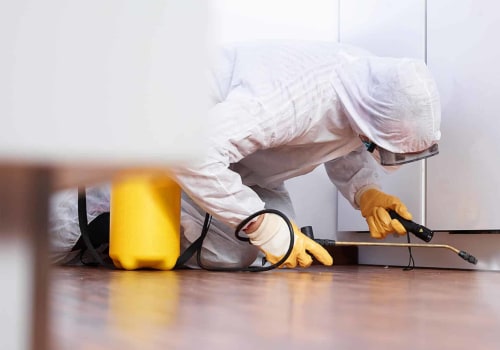
Bed bugs, scientifically known as Bed bugs, scientifically known as Cimex lectularius, are small, elusive insects that have become a significant concern for homeowners and renters alike. These nocturnal pests thrive in warm environments and are notorious for their ability to hide in the tiniest of crevices, making them difficult to detect until an infestation has already taken hold. Adult bed bugs are about the size of an apple seed, with a flat, oval shape that allows them to squeeze into narrow spaces. Their reddish-brown color and distinctive smell can sometimes be detected when they are present in large numbers, but often, their presence goes unnoticed until the telltale signs of bites appear on unsuspecting victims. Recognizing the signs of a bed bug infestation is crucial for effective pest control.
Common indicators include small, itchy welts on the skin, often arranged in a line or cluster, which result from the bugs feeding on human blood during the night. Additionally, you may find dark spots on bedding or furniture—these are bed bug excrement—and shed skins or eggshells in areas where they hide. If you notice any of these signs, it’s essential to act quickly and seek professional help from a pest control service that specializes in bed bug eradication. The life cycle of bed bugs further complicates their elimination. A female bed bug can lay up to five eggs per day, and these eggs hatch within a week under optimal conditions.
The young nymphs go through several molts before reaching maturity, which can occur in as little as four to five weeks. This rapid reproduction rate means that what may start as a small problem can quickly escalate into a full-blown infestation if not addressed promptly. Understanding the biology and behavior of bed bugs is vital for anyone facing this persistent pest issue.
The Resilience of Bed Bugs: Why They Are So Hard to Eliminate
Bed bugs, scientifically known as Cimex lectularius, are notorious for their ability to withstand various extermination methods, making them one of the most challenging pests to eliminate. Their resilience can be attributed to several biological and behavioral traits that have evolved over time.One of the primary reasons bed bugs are so hard to kill is their remarkable reproductive capacity.A single female bed bug can lay up to 500 eggs in her lifetime, with each egg capable of developing into a mature bug within a few weeks under optimal conditions. This rapid reproduction means that even a small infestation can quickly escalate into a full-blown problem if not addressed promptly.Additionally, bed bugs possess a unique ability to survive without feeding for extended periods. Adult bed bugs can live for several months without a blood meal, while nymphs can survive for weeks. This survival tactic allows them to endure periods of low host availability, making it difficult for homeowners to detect and eliminate them before they multiply.Another factor contributing to their resilience is their physical structure.
Bed bugs have flat, oval bodies that allow them to hide in tiny crevices and cracks, making detection challenging. They often take refuge in places such as:
- Mattresses and box springs
- Bed frames and headboards
- Furniture seams and upholstery
- Baseboards and electrical outlets
Effective pest control strategies must consider the biology and behavior of these pests. Homeowners should seek professional help from pest control services that employ integrated pest management (IPM) techniques, which combine various methods such as heat treatment, vacuuming, and targeted pesticide application to ensure comprehensive eradication.In conclusion, the resilience of bed bugs stems from their rapid reproduction, ability to survive without feeding, effective hiding strategies, and growing resistance to pesticides. Recognizing these factors is essential for developing effective pest control measures and ultimately reclaiming your home from these persistent invaders.
Identifying a Bed Bug Infestation: Signs and Symptoms
Identifying a bed bug infestation early is crucial for effective pest control. These elusive pests can be challenging to spot, but there are several signs and symptoms that can help homeowners recognize their presence.Common Signs of Bed Bugs
- Visible Bugs: Adult bed bugs are approximately the size of an apple seed, with a flat, oval shape.
They are typically brownish-red in color. If you notice these insects crawling on your mattress, bed frame, or nearby furniture, it’s a clear indication of an infestation.
- Bed Bug Bites: One of the most common symptoms experienced by victims is the appearance of bites on the skin. These bites often manifest as small, red welts that may be itchy and can appear in clusters or lines. They usually occur on exposed areas of the body, such as arms, legs, and neck.
- Blood Stains: After feeding, bed bugs may leave behind small blood stains on your sheets or pillowcases.
These stains can be mistaken for tiny rust spots and are often one of the first signs homeowners notice.
- Fecal Spots: Bed bugs excrete digested blood, which appears as dark brown or black spots on bedding or furniture. These fecal stains can be a telltale sign of an infestation and should not be overlooked.
- Eggs and Shells: Bed bug eggs are tiny, about 1mm in size, and are often found in crevices or hidden areas near their harborage sites. The presence of shed skins (exoskeletons) is also a strong indicator of an infestation as bed bugs molt several times throughout their life cycle.
Symptoms Experienced by Victims
In addition to physical evidence, individuals may experience various symptoms due to bed bug bites. These can include:- Itching and Irritation: The bites can cause significant itching and discomfort, leading to scratching that may result in secondary infections.
- Anxiety and Sleep Disturbance: Knowing that bed bugs are present can lead to anxiety and stress, which may disrupt sleep patterns and overall well-being.
Early detection can significantly improve the chances of successful eradication. Consider reaching out to a professional pest control service for assistance in identifying and eliminating these persistent pests.
The Importance of Professional Pest Control Services
When faced with a bed bug infestation, the importance of enlisting professional pest control services cannot be overstated. These experts bring a wealth of knowledge and specialized tools that are essential for effectively managing and eradicating these resilient pests.One of the primary benefits of hiring professionals is their ability to accurately identify the extent of the infestation. Bed bugs are notorious for hiding in hard-to-reach places, making it challenging for homeowners to assess the full scope of the problem.Professionals utilize advanced techniques and equipment, such as thermal imaging and canine inspections, to locate bed bugs in their various life stages, ensuring that no area is overlooked.Moreover, professional pest control services offer tailored treatment plans that are specifically designed to address the unique challenges posed by bed bugs. Unlike over-the-counter solutions, which may only provide temporary relief or fail to target the root of the problem, experts employ a combination of methods including:
- Heat treatments: Raising the temperature in infested areas to levels lethal to bed bugs.
- Chemical applications: Using EPA-approved insecticides that are safe for humans and pets but effective against bed bugs.
- Integrated Pest Management (IPM): A holistic approach that combines sanitation, monitoring, and preventive measures to keep bed bugs at bay.
Look for companies with positive reviews, certifications, and experience specifically in dealing with bed bug infestations. A well-established pest control service will not only have the necessary expertise but also provide peace of mind through warranties or guarantees on their work.In conclusion, while DIY methods may seem appealing due to their lower upfront costs, they often fall short in effectively eliminating bed bugs. The expertise, resources, and ongoing support provided by professional pest control services make them an invaluable ally in the battle against these tenacious pests.
DIY vs. Professional Treatments: What You Need to Know
When it comes to tackling a bed bug infestation, homeowners often find themselves weighing the options between DIY treatments and hiring professional pest control services.While the allure of saving money with do-it-yourself methods is tempting, it’s crucial to understand the potential risks and limitations associated with these approaches.
DIY Bed Bug Treatments
- Over-the-Counter Solutions: Many homeowners turn to readily available insecticides and sprays. However, these products often lack the potency needed to eliminate bed bugs effectively. Bed bugs have developed resistance to many common pesticides, rendering these solutions less effective.
- Heat Treatment: Some DIY enthusiasts attempt to use heat as a method of extermination. While high temperatures can kill bed bugs, achieving and maintaining the necessary heat levels throughout an entire room can be challenging without professional equipment.
- Vacuuming: Regular vacuuming can help reduce the number of visible bed bugs and their eggs.
However, this method alone will not eradicate an infestation, as it does not reach hidden areas where bed bugs often reside.
- Natural Remedies: Various natural solutions, such as diatomaceous earth or essential oils, are often touted as effective treatments. While they may have some impact on bed bugs, they are generally not sufficient for complete eradication.
Professional Pest Control Methods
In contrast, professional pest control services offer a comprehensive approach to eliminating bed bugs. Here are some key advantages:
- Expertise: Pest control professionals are trained to identify the signs of bed bug infestations and understand their behavior. This knowledge allows them to target treatment effectively.
- Advanced Techniques: Professionals utilize a combination of methods, including chemical treatments, heat applications, and steam cleaning, ensuring a thorough eradication process.
- Follow-Up Services: Many pest control companies provide follow-up visits to monitor the situation and ensure that the infestation has been completely resolved.
When to Seek Professional Help
If you suspect a bed bug infestation in your home, it’s essential to act quickly.
If DIY methods fail or if you notice signs of a larger infestation, it’s time to contact a professional pest control service. The longer you wait, the more difficult and costly the treatment will become.In conclusion, while DIY treatments may seem appealing for their cost-effectiveness, they often fall short in effectively eliminating bed bugs. For lasting results and peace of mind, seeking professional help is usually the best course of action when dealing with these persistent pests.
Preventive Measures: Keeping Your Home Bed Bug-Free
Preventing a bed bug infestation requires vigilance and proactive measures. Here are some effective strategies to keep your home free from these unwelcome pests:- Regular Inspections: Conduct routine checks of your home, especially in areas where bed bugs are likely to hide, such as mattresses, box springs, and upholstered furniture.
Look for signs like small reddish-brown spots, shed skins, or the bugs themselves.
- Protective Covers: Invest in high-quality mattress and box spring encasements designed to trap bed bugs. These covers not only prevent new infestations but also make it easier to spot existing ones.
- Declutter: Reducing clutter in your home minimizes hiding spots for bed bugs. Keep items off the floor and store belongings in sealed containers.
- Be Cautious When Traveling: Bed bugs are notorious hitchhikers. When staying in hotels or other accommodations, inspect the room for signs of bed bugs before unpacking.
Keep your luggage elevated and away from the bed.
- Wash and Dry Bedding Regularly: Wash all bedding, linens, and clothing in hot water and dry them on high heat regularly. This can kill any potential bed bugs or eggs that may have made their way into your home.
- Vacuum Frequently: Regular vacuuming can help remove bed bugs and their eggs from carpets, rugs, and furniture. Be sure to dispose of the vacuum bag immediately after use to prevent any escapees.
- Seal Cracks and Crevices: Inspect your home for cracks in walls, baseboards, and furniture. Seal these gaps with caulk to eliminate potential hiding spots for bed bugs.
- Educate Yourself and Others: Understanding how bed bugs operate can help you identify potential risks.
Share this knowledge with family members or roommates to ensure everyone is vigilant.
Frequently Asked Questions About Bed Bugs and Pest Control
When it comes to bed bugs, many homeowners have questions and concerns. Understanding these pests and the pest control options available can help you take effective action. Here are some frequently asked questions about bed bugs and pest control:What are bed bugs?
Bed bugs are small, reddish-brown insects that feed on the blood of humans and animals.They are typically about the size of an apple seed and are known for their ability to hide in small crevices, making them difficult to detect.
How do I know if I have a bed bug infestation?
- Signs of Bites: You may notice small, itchy welts on your skin, often in a line or cluster.
- Blood Stains: Look for tiny blood spots on your sheets or mattress.
- Dark Spots: These could be bed bug excrement, which appears as small black dots.
- Live Bugs: Spotting live bed bugs or their shed skins is a clear indication of an infestation.
How do bed bugs spread?
Bed bugs can easily hitch a ride on clothing, luggage, or used furniture. They are often found in hotels, public transportation, and shared living spaces. Once they enter your home, they can quickly multiply if not addressed promptly.What should I do if I suspect a bed bug infestation?
If you think you have bed bugs, it’s crucial to act quickly. Start by:- Isolating Infested Items: Seal affected bedding and clothing in plastic bags to prevent further spread.
- Cleaning Thoroughly: Wash all bedding and clothing in hot water and dry on high heat.
- Contacting Professionals: Reach out to a pest control company that specializes in bed bug treatments for effective eradication.
How can I prevent bed bugs?
- Avoid Second-Hand Furniture: Be cautious when bringing used items into your home.
- Inspect Hotel Rooms: Check for signs of bed bugs when traveling.
- Regular Cleaning: Maintain cleanliness in your home to reduce hiding spots for these pests.
Conclusion: Taking Action Against Bed Bugs
In conclusion, the battle against bed bugs is one that requires vigilance, knowledge, and prompt action.These pests are not only a nuisance but can also lead to significant emotional and physical distress. As we have discussed, their ability to reproduce rapidly and adapt to various environments makes them particularly challenging to eliminate without professional intervention.It is crucial to recognize the signs of a bed bug infestation early. Common indicators include:
- Itchy bites: Often appearing in clusters or lines on the skin.
- Blood stains: Small red spots on sheets or mattresses from crushed bugs.
- Dark spots: Fecal matter left behind by bed bugs, which can be found on bedding or furniture.
- Eggs and shed skins: These tiny, translucent eggs and molted skins are often found in crevices where bed bugs hide.
While DIY methods may seem appealing, they often fall short of providing a long-term solution. Instead, seeking out pest control near me can connect you with professionals who have the expertise and tools necessary to effectively eradicate bed bugs.Professional pest control services not only offer immediate relief but also provide valuable advice on prevention strategies. This includes:
- Regular inspections: Scheduling routine checks can help catch infestations before they escalate.
- Education: Understanding how bed bugs spread and how to minimize risk in your home.
- Treatment plans: Customized approaches that address the specific needs of your situation.
Remember, the sooner you act, the easier it will be to restore comfort in your home.